"My father earned ₹1,800 a month.
He guarded other people's homes.
We didn't have one worth guarding."
"I quit my job because of a child I didn't know. I've never recovered from that image."
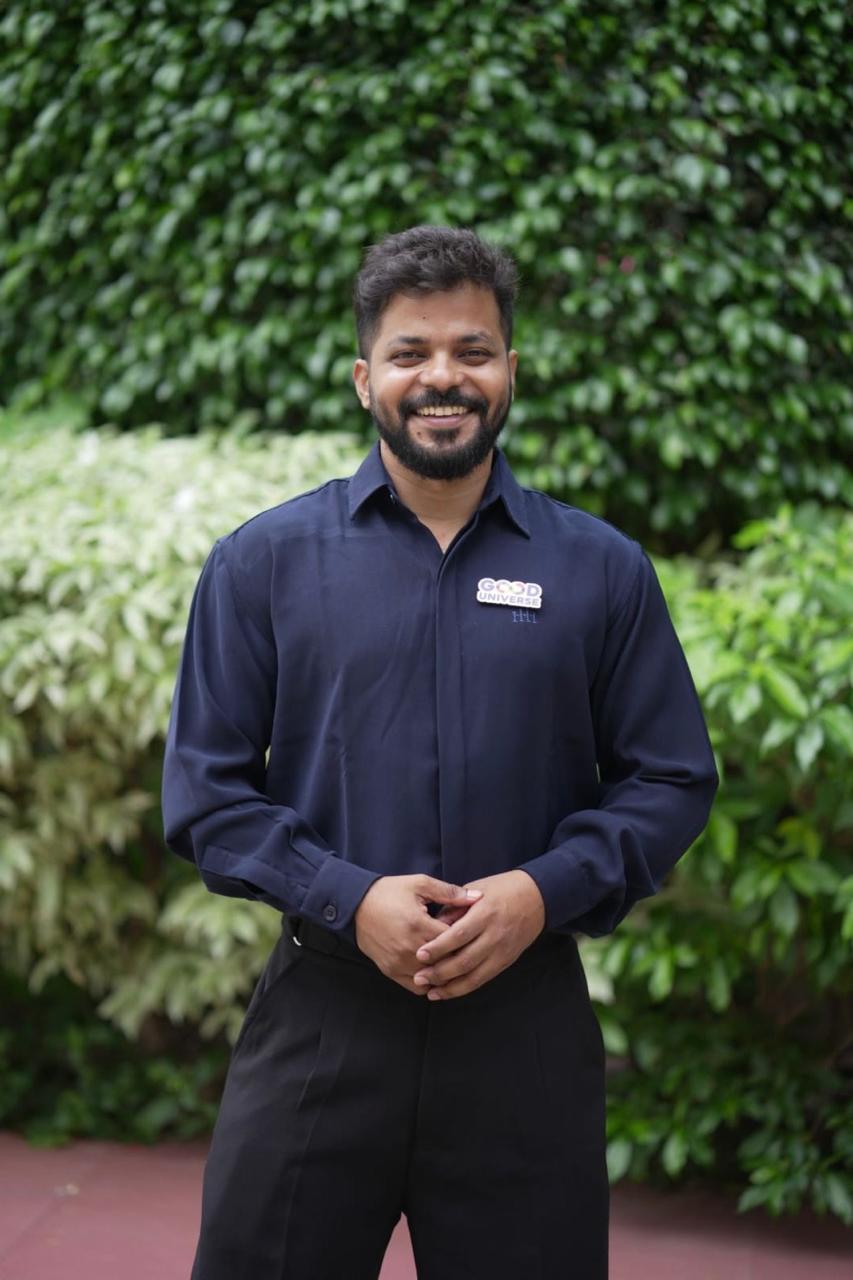
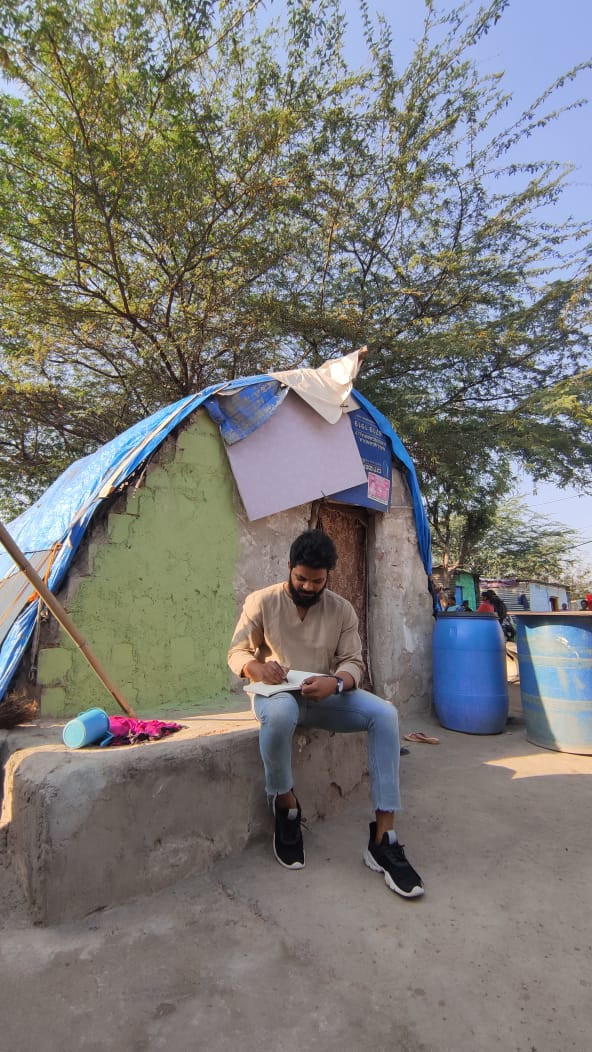
Kamal Nayak grew up in Kerual village, Odisha. His father was a security guard ₹1,800 a month. His mother was everything the salary wasn't. He topped his government school. Nobody made a fuss. She sold a small piece of land so he could have a second-hand computer.
He moved to Bangalore. Slept in an under-construction building. Worked at a bar for six months he's a teetotaller because they offered food and a room. He can still identify 40 liquors by smell. One interview asked him his name in English. He couldn't answer. He walked out without the job.
In Hyderabad, working in Telugu film production, he saw a child eating dosa off a pile of garbage. His mother making dough beside an open drain. He stood there for a long time. He quit the next week. Everyone called him mad. That child whose name he never learned is why Good Universe exists.
He didn't go home for nine years. His mother went to the ventilator. He reached her, but she couldn't hear him. She died. Her funeral was funded by friends who collected money without being asked. He came back. Got a corporate job. Quit in eight months. The work wasn't done.
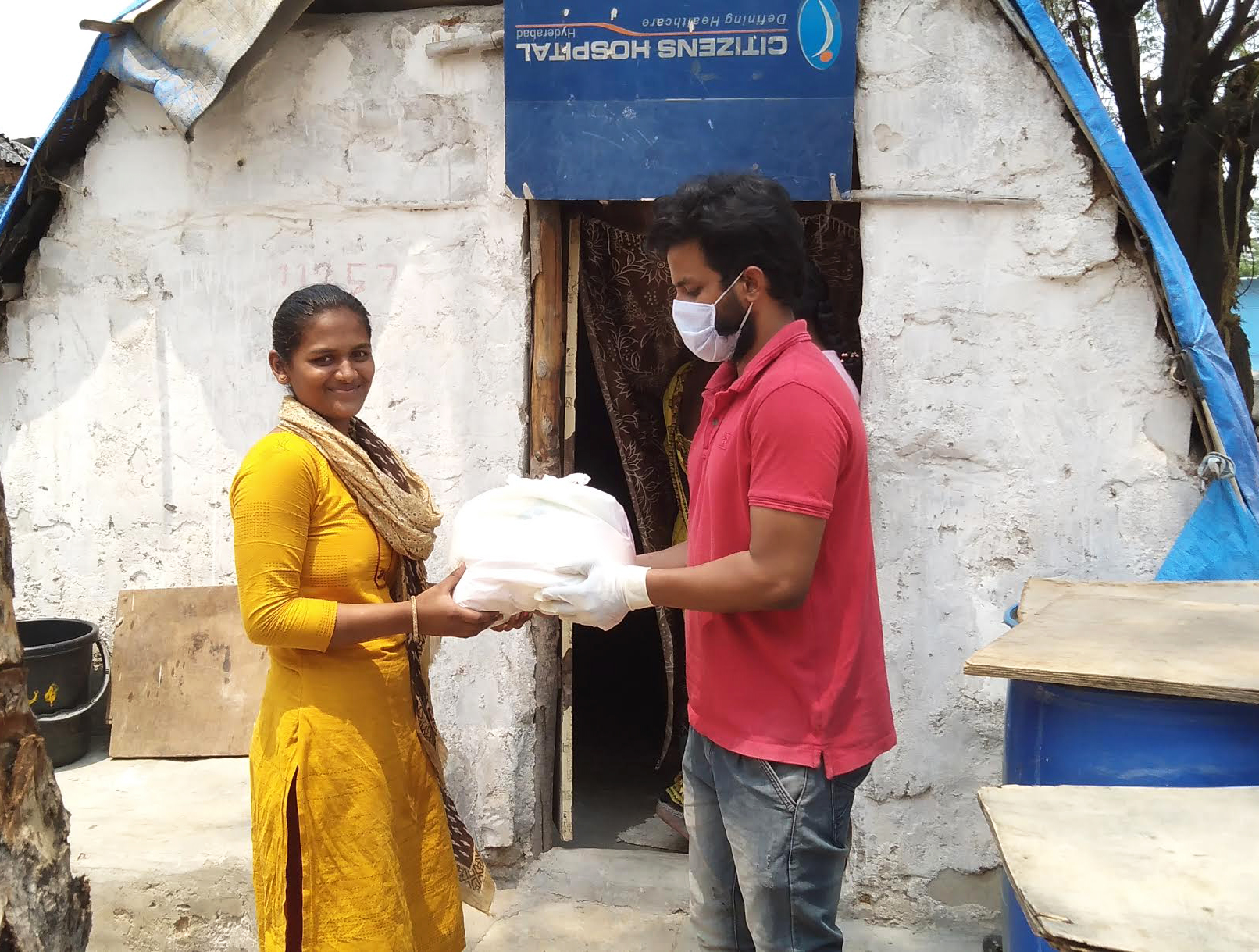
Every programme in slums, tribal belts, rural villages, corporate boardrooms returns to the same question: what do the people closest to the harshest realities actually need?
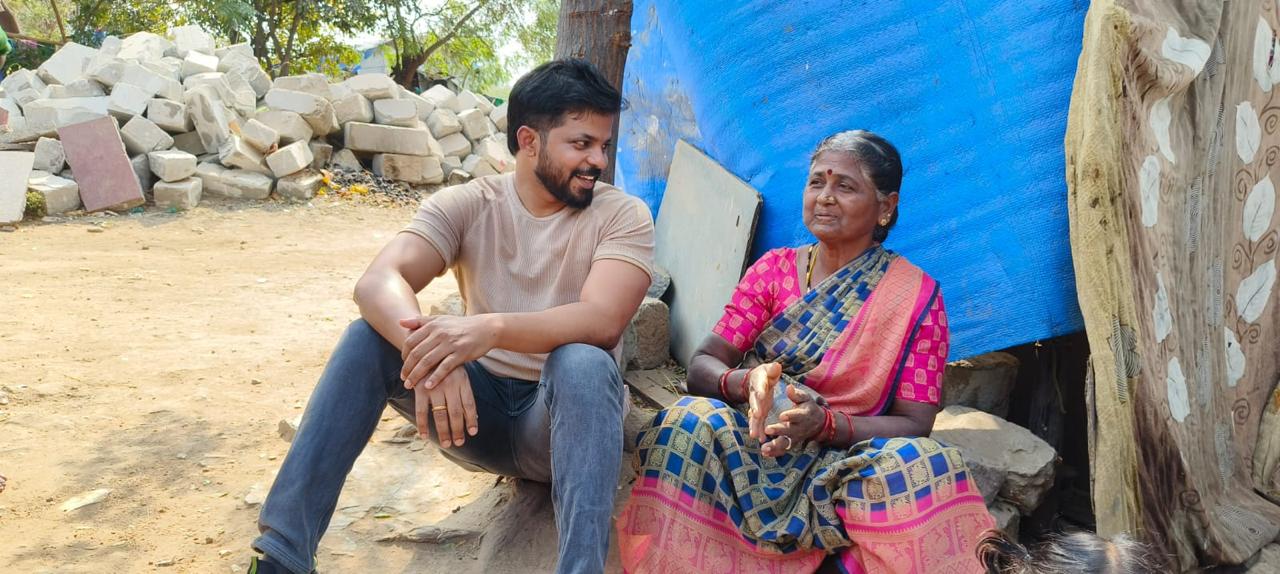
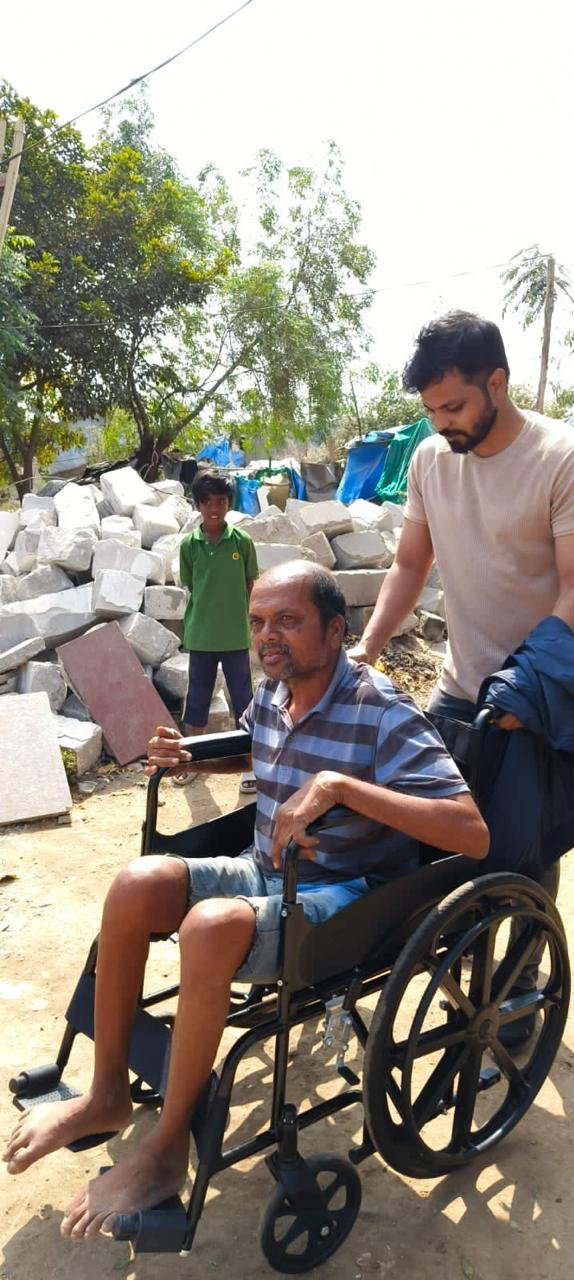
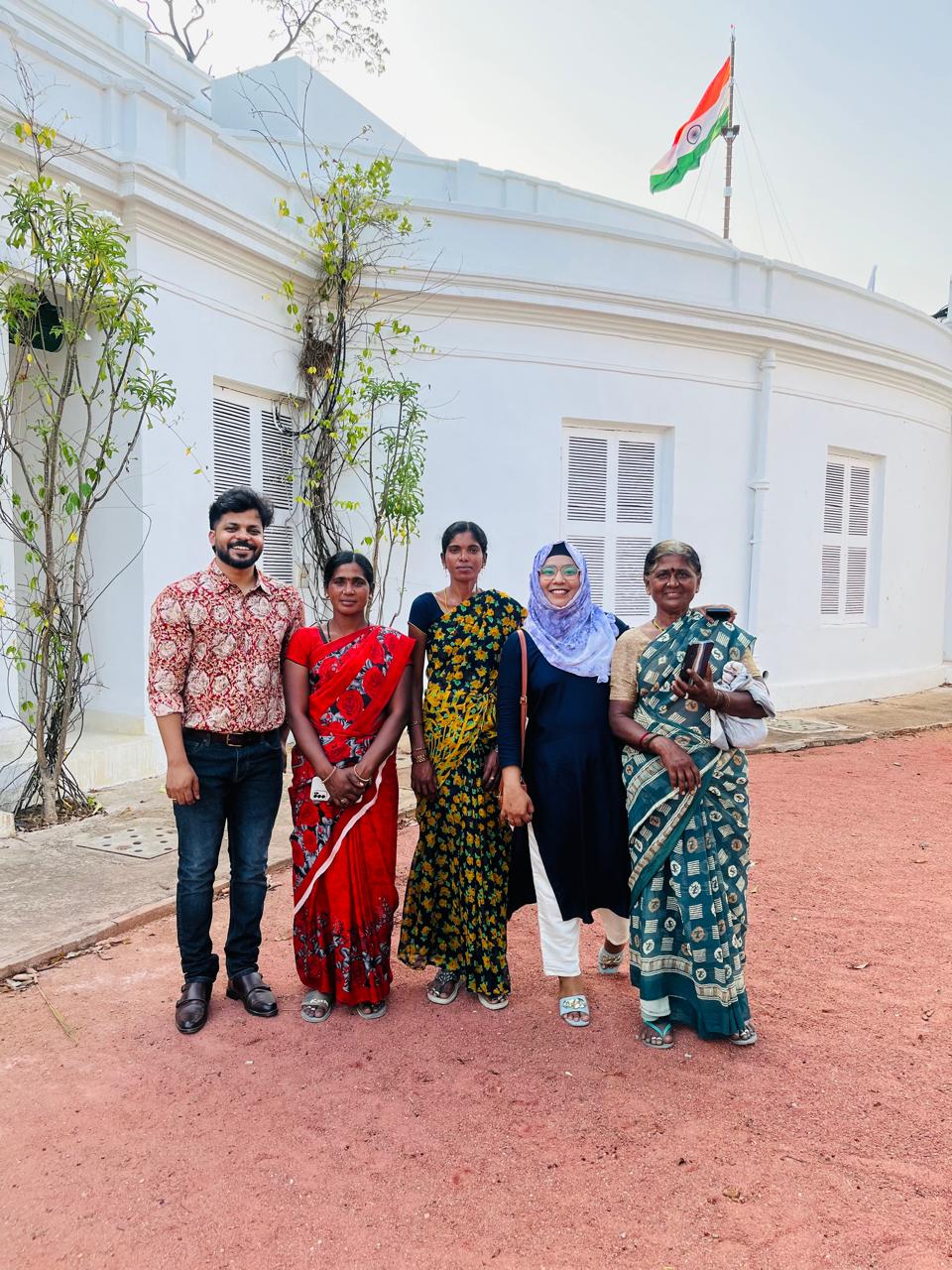
These aren't case studies. They're conversations with women in Odisha, elders in Nalgonda, families in Hyderabad's slums. The people in them are the reason Good Universe exists.
"The slum didn't shock me because I was rich. It shocked me because I recognised it. And I couldn't pretend I hadn't."
Seven lessons from 15 years in the field things no MBA teaches: The people with the least complain the least. Solutions designed in air-conditioned offices rarely survive the ground. Trust takes years to build; one wrong decision breaks it in a day. The most powerful leaders in any community are usually women. Impact cannot be measured in months. It lives in decades.
"Where you begin is not where you end. This is my beginning. The rest is still being written."
"Stages don't make you. They just amplify what's already there. And what's there was built in a government school where English was a dream."
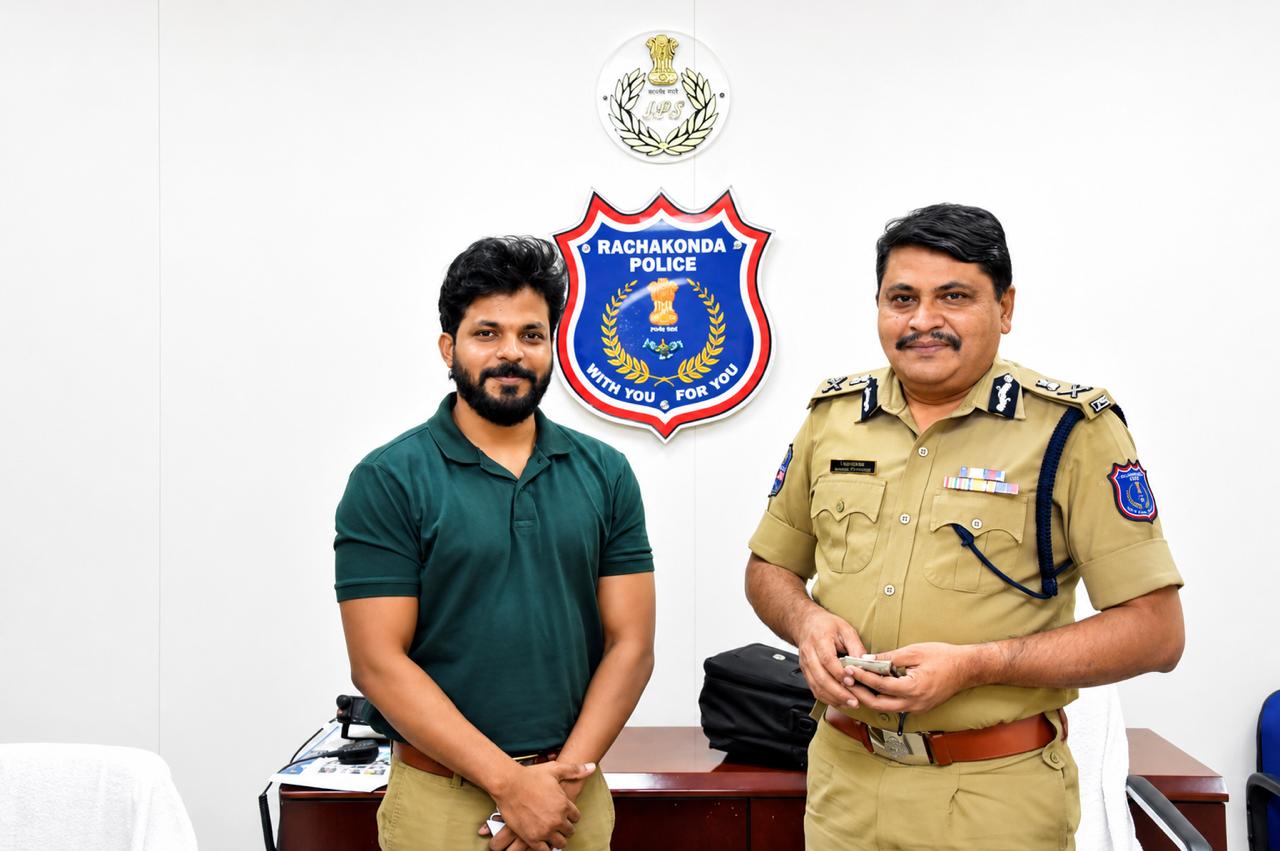
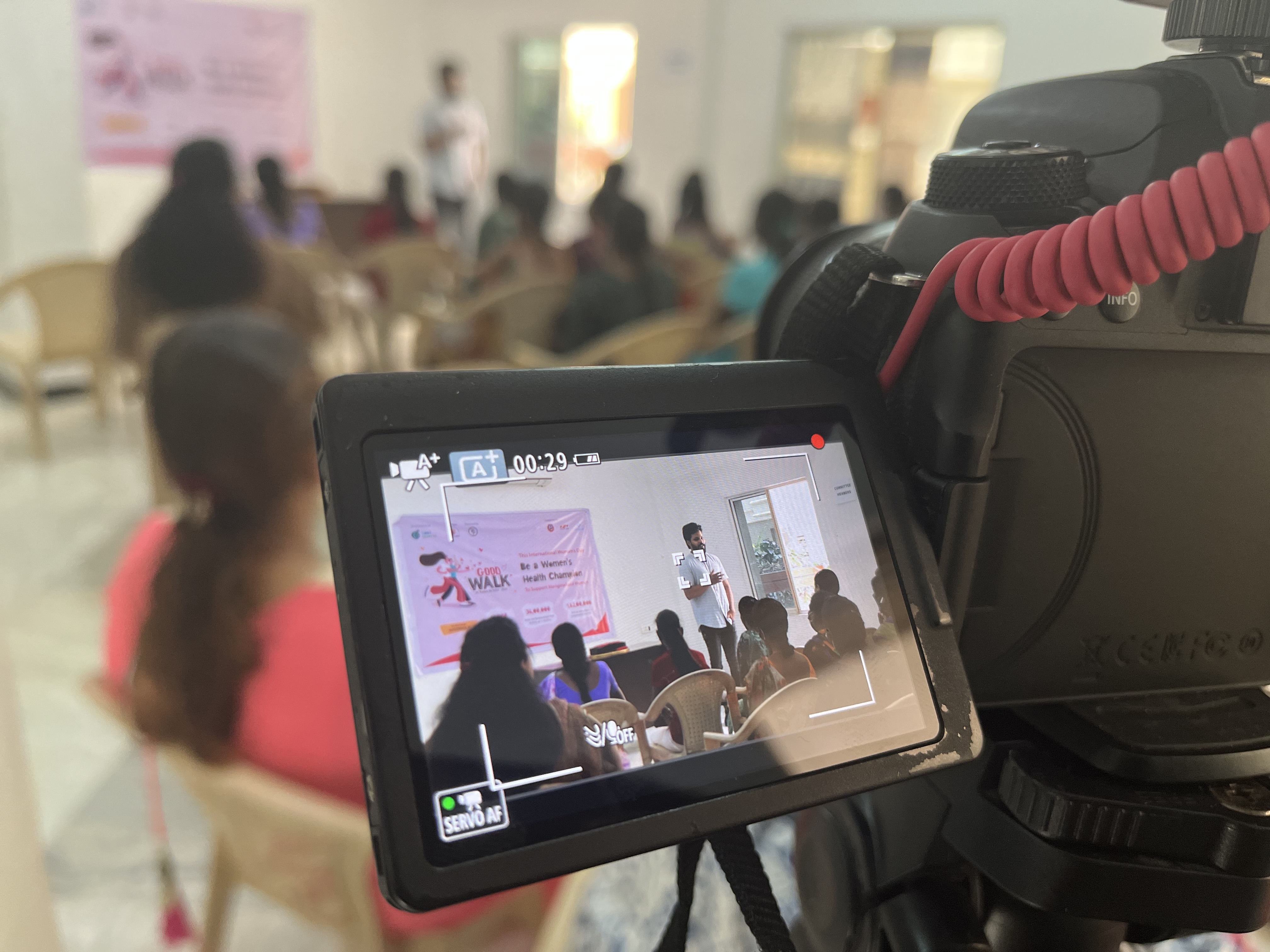
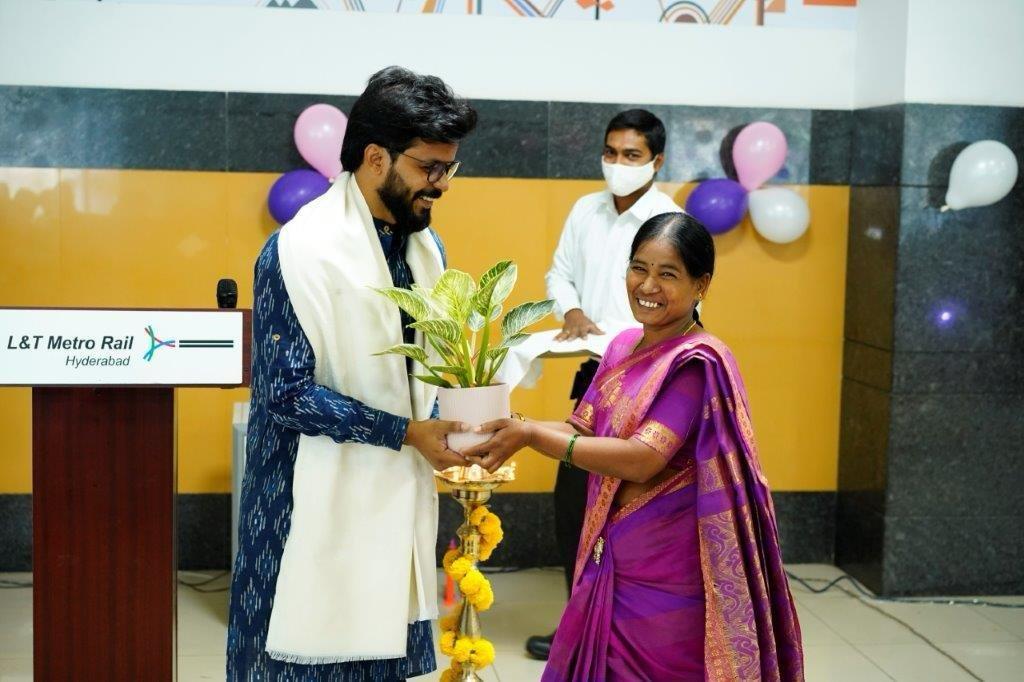
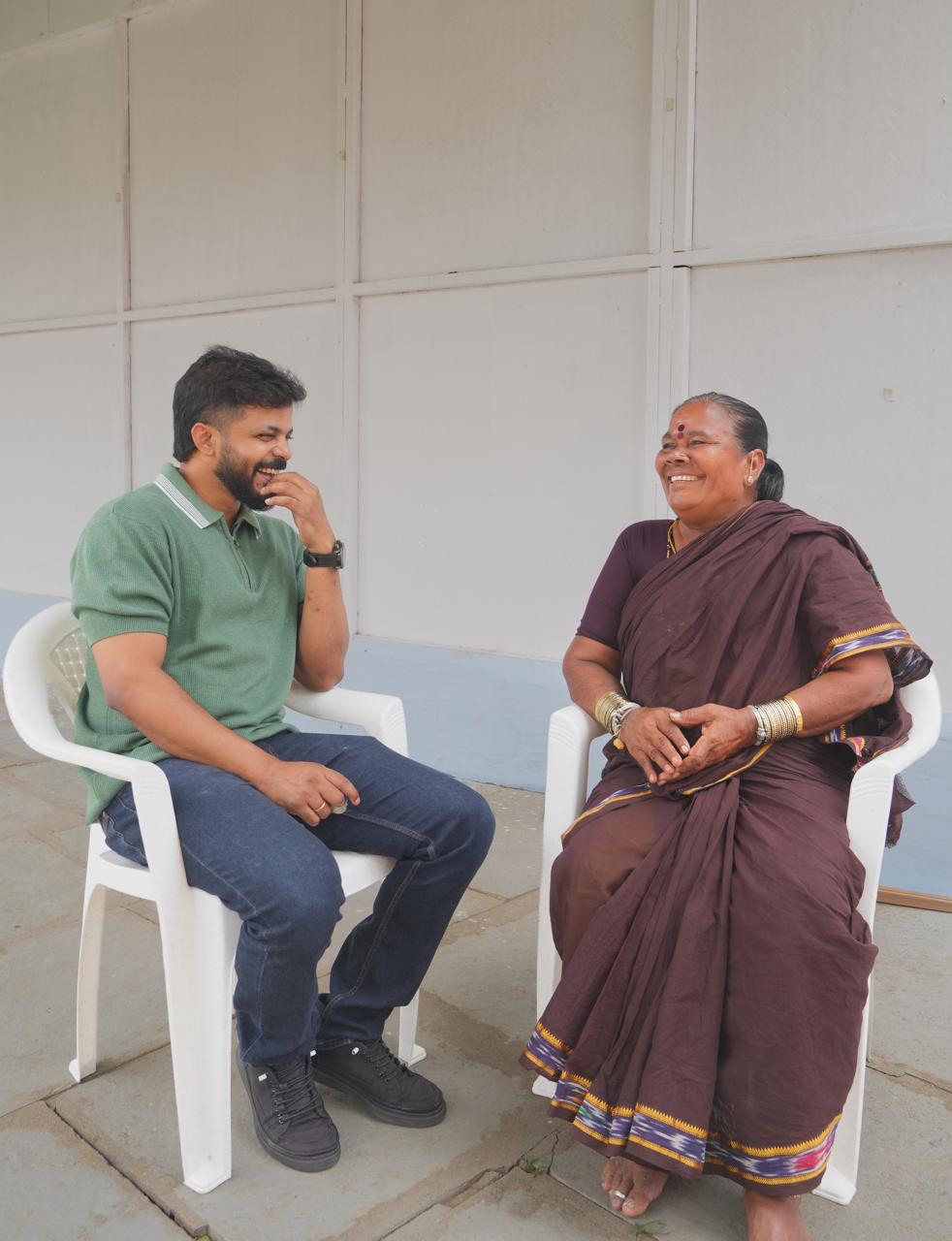
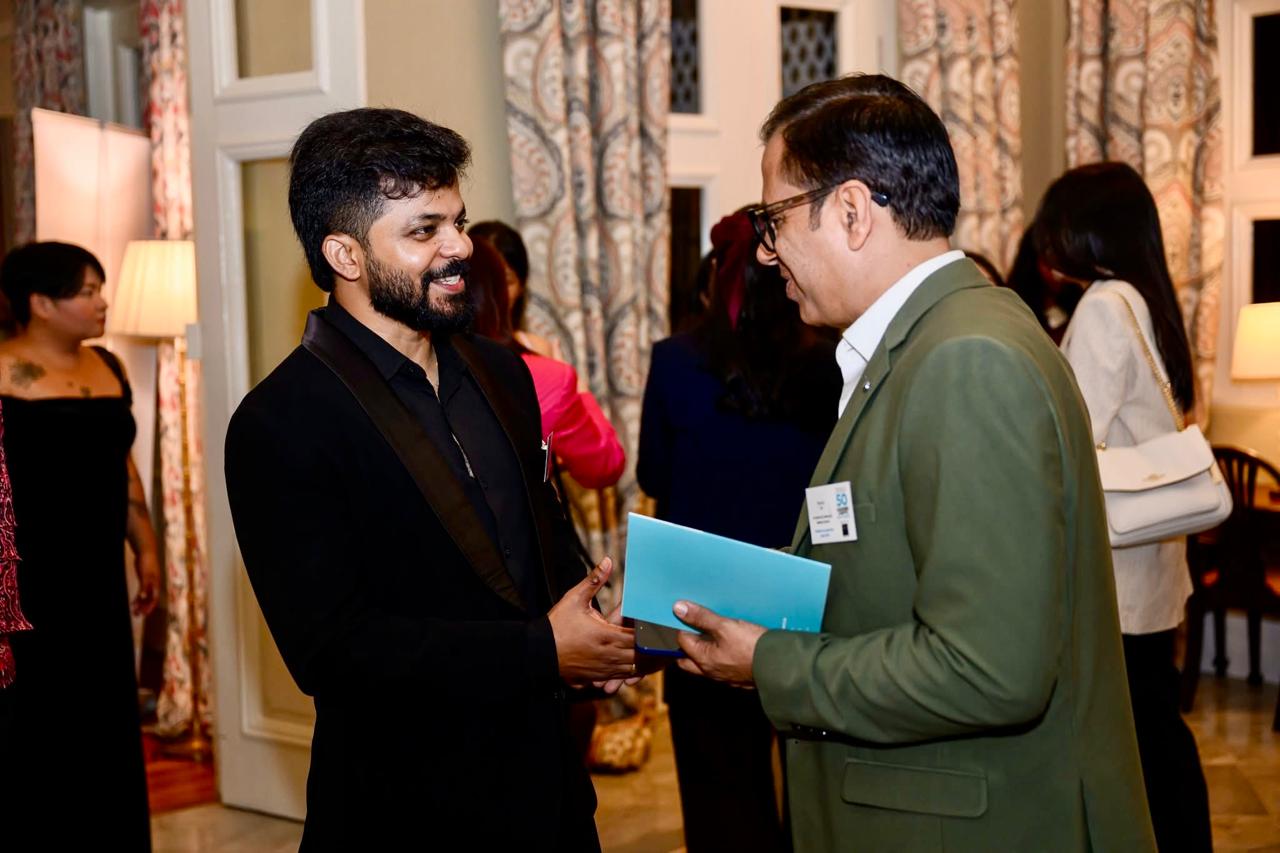
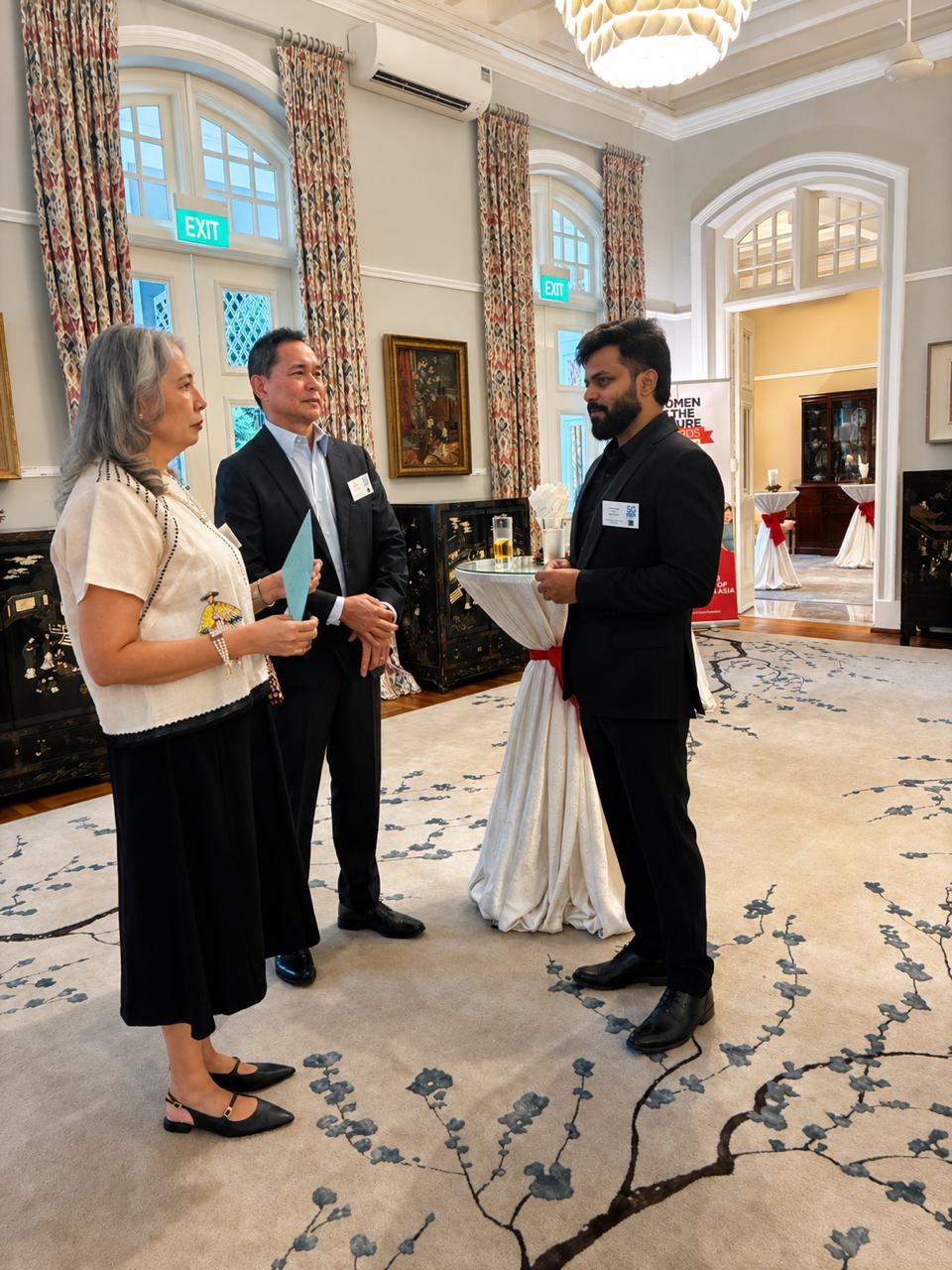
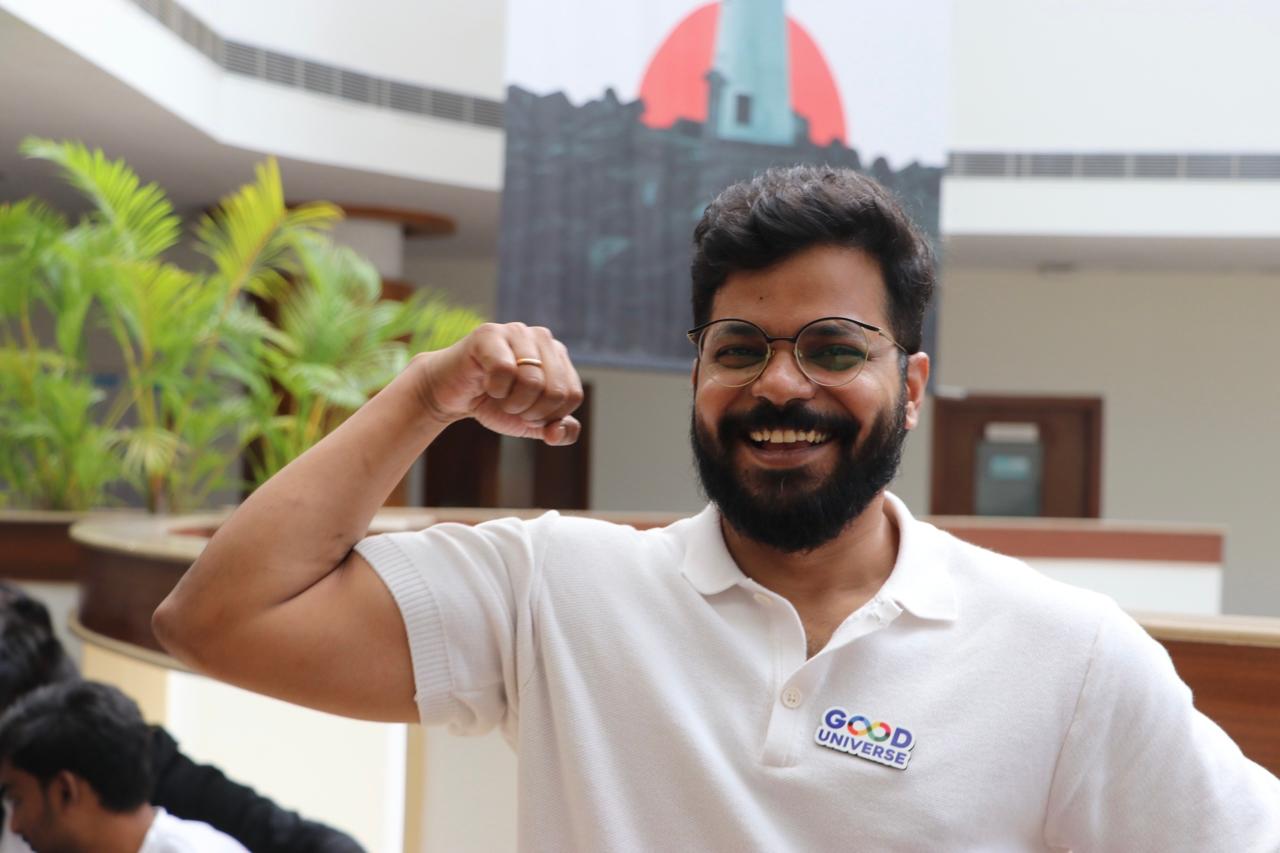
Where the work actually lives village health camps, conference stages, community meetings, and 6am chai with the people who changed how he sees the world.
"Kamal responds to every message not because he has to, but because he knows what it feels like when no one does."
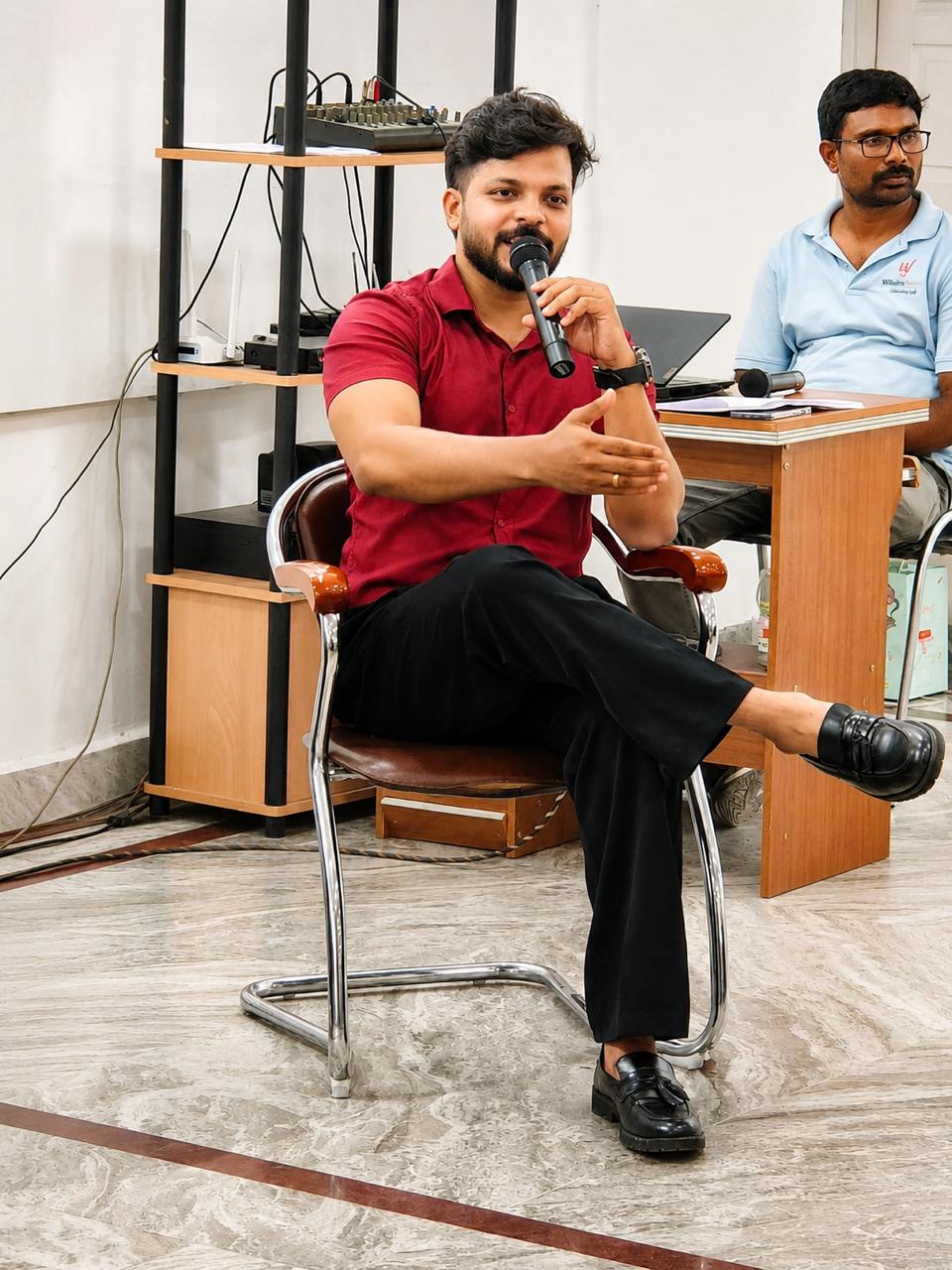
Available for keynotes, panels, university talks, TEDx, and corporate leadership sessions. He speaks from the field, not from a script.